Morocco 300 t/d Silver Ore Processing Plant Upgrade Project
Project Overview
The Morocco 300 t/d Silver Ore Processing Project was developed as a modernization and expansion project for an existing silver beneficiation plant that had been operating for many years.
Due to long-term operation, equipment aging, and insufficient maintenance, the original plant gradually experienced declining mechanical reliability and reduced production efficiency. At the same time, limitations in the existing process configuration prevented the plant from consistently reaching its original design capacity, while silver recovery had also shown a downward trend.
To improve processing performance and restore stable production, the mining company decided to construct a new mineral processing facility while upgrading and integrating selected sections of the existing plant.
Mineralogical studies indicated that the principal metallic minerals include native silver, pyrite, and limonite, while the gangue is mainly composed of quartz, feldspar, and clay minerals. Silver is the primary valuable element targeted for recovery.
Based on the ore characteristics, existing plant conditions, and the client's production requirements, Haoyang Mining developed an integrated processing solution combining crushing, grinding, gravity separation, flotation, leaching, washing, zinc precipitation, and smelting.
Design Capacity
300 tonnes per day
Target Mineral
Silver
Main Processing Technologies
Gravity Separation + Flotation + Hydrometallurgical Silver Recovery
Crushing & Screening System
The crushing section adopts a two-stage-and-one-half closed-circuit crushing configuration to provide stable and appropriately sized feed for the downstream grinding circuit.
The crushing system mainly consists of:
Jaw crushers for primary and secondary crushing
Cone crusher for fine crushing
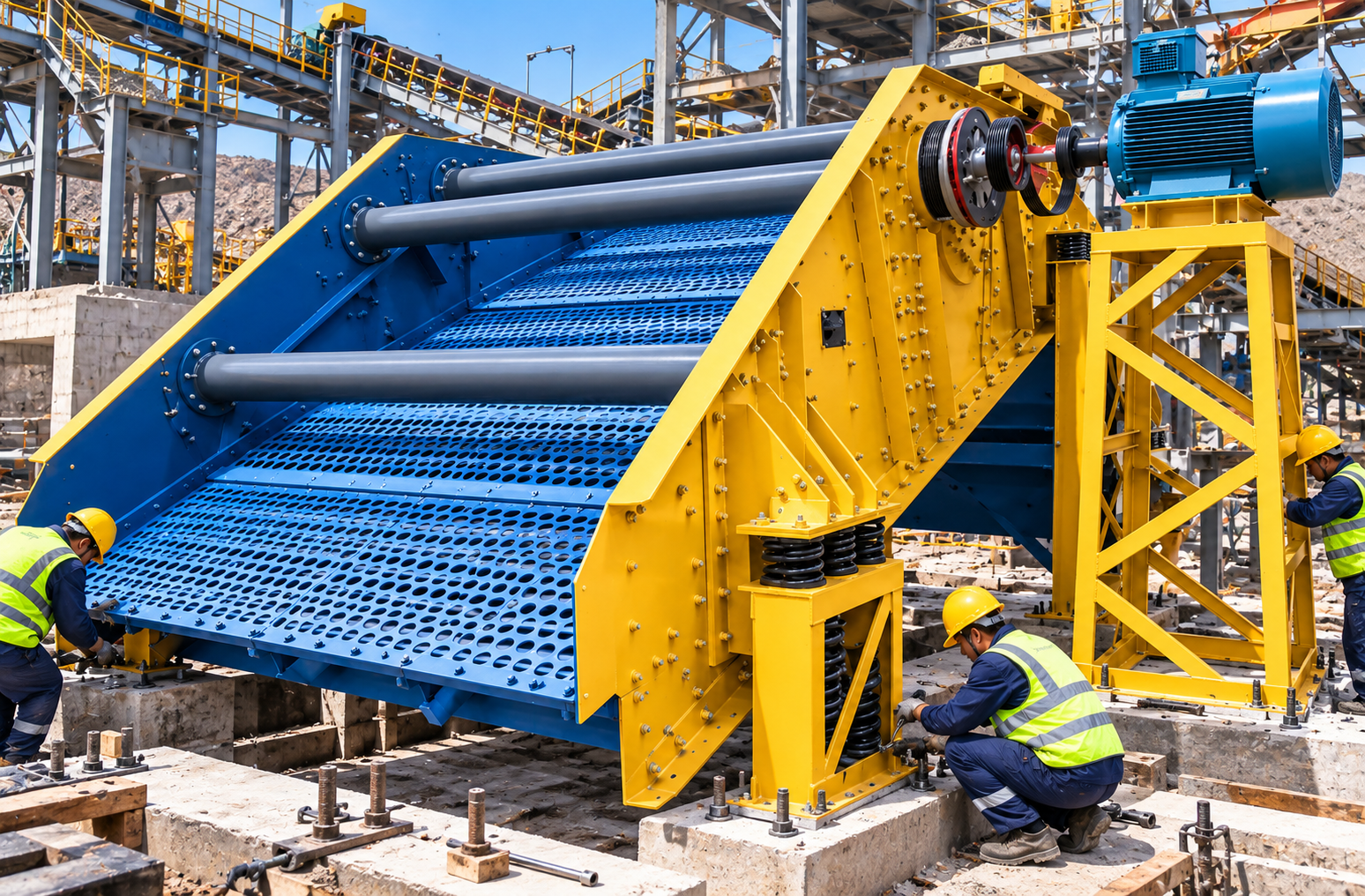
Circular vibrating screen for particle-size classification
Belt conveyors for material transfer
Oversized material separated by the vibrating screen is returned to the fine crushing stage, forming a closed circuit and helping control the final crushed product size.
After crushing and screening, the qualified material is conveyed to the existing fine ore bin. It is then loaded onto trucks and transported to the newly constructed processing plant for subsequent grinding and beneficiation.
This configuration improves crushing efficiency, stabilizes the feed size to the grinding section, and makes effective use of existing infrastructure.
Two-Stage Grinding & Classification
To achieve sufficient liberation of silver-bearing minerals from the gangue, the plant adopts a two-stage closed-circuit grinding and classification process.
First-Stage Grinding
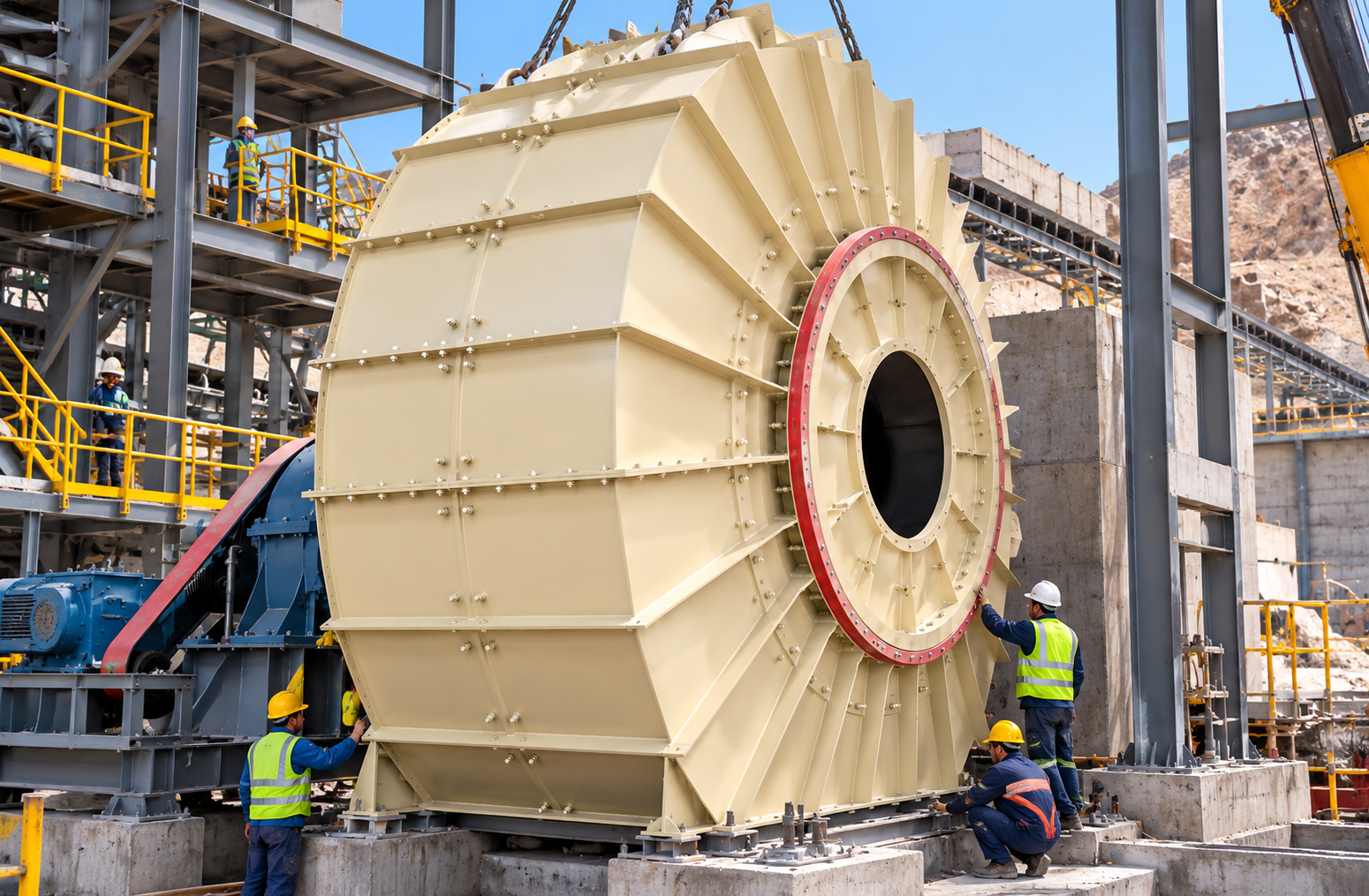
The first grinding stage uses a wet grate-type ball mill.
Instead of sending all mill discharge directly to classification, the slurry first passes through a jig gravity separator to recover liberated high-density mineral particles as early as possible.
The gravity concentrate produced by the jig is subsequently upgraded using a shaking table, allowing further concentration of valuable heavy minerals.
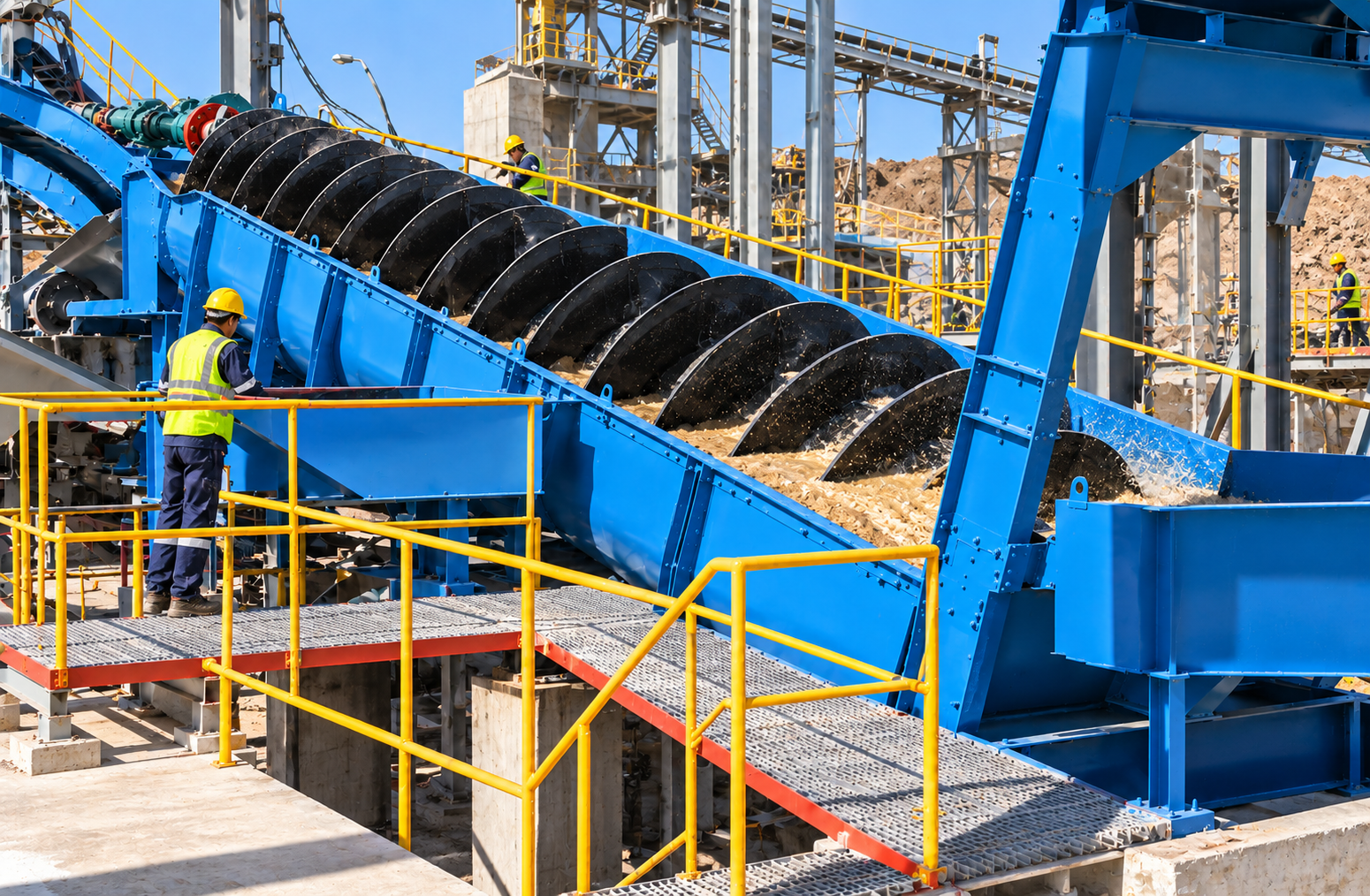
The gravity tailings are then sent to a high-weir single-spiral classifier. Coarse particles are returned to the ball mill for further grinding, while the qualified material proceeds to the next processing stage.
Second-Stage Grinding
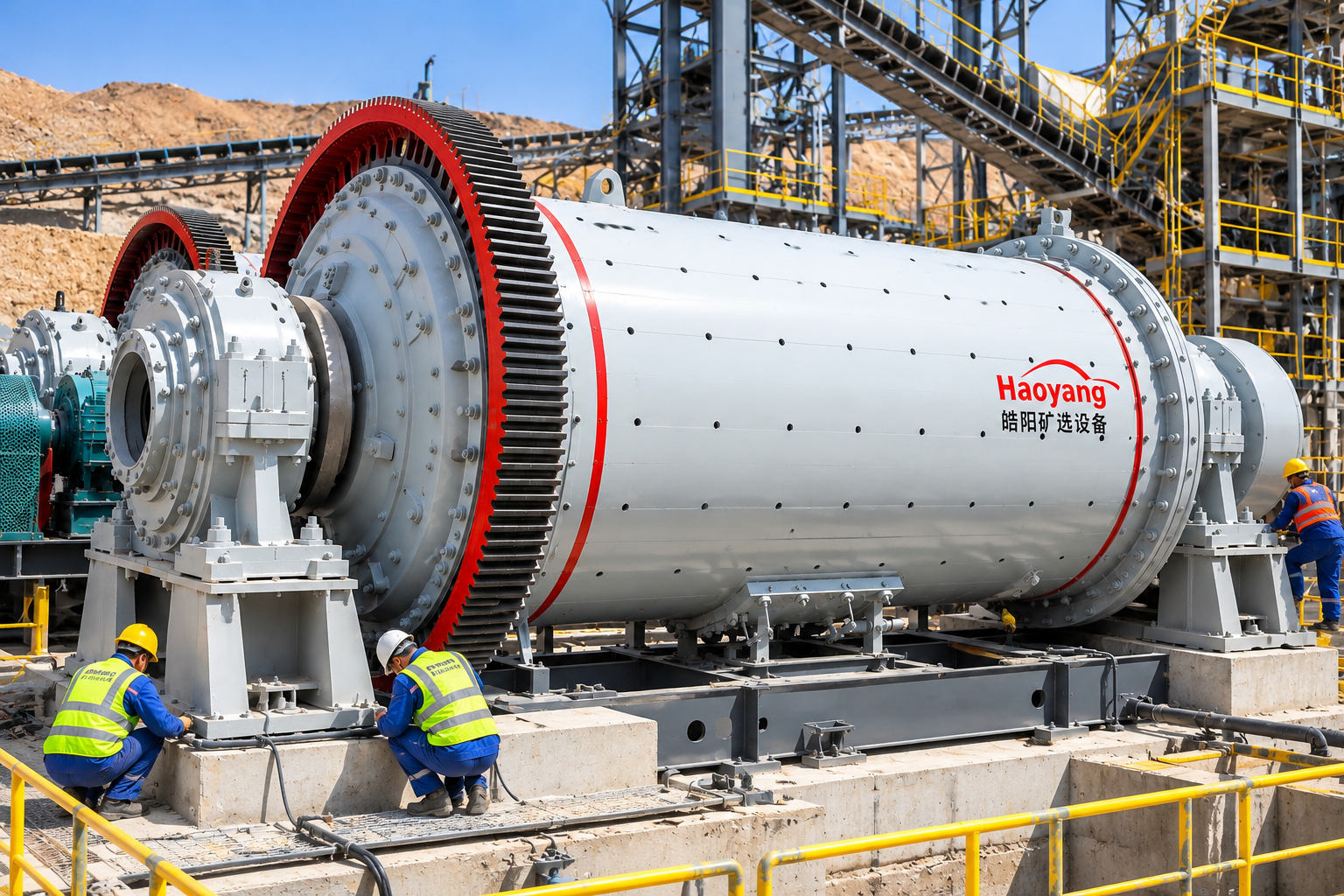
The second grinding stage adopts a wet overflow ball mill combined with a hydrocyclone cluster.
Hydrocyclone underflow is returned to the mill for regrinding, while the overflow with the required particle-size distribution is transferred to the flotation section.
The two-stage grinding circuit provides more effective mineral liberation while avoiding unnecessary overgrinding.
Gravity Recovery of Liberated Silver Minerals
An important feature of the flowsheet is the integration of gravity separation directly into the grinding circuit.
Because part of the valuable minerals can be liberated at relatively coarse particle sizes, recovering them before further grinding can reduce the risk of overgrinding and improve the overall utilization of recoverable silver-bearing minerals.
The gravity circuit consists primarily of:
Ball Mill Discharge → Jig Separation → Shaking Table Concentration
This arrangement allows high-density valuable minerals to be recovered at an early stage while the remaining material continues through classification and flotation.
Silver Flotation Circuit
After grinding and classification, the slurry enters the flotation circuit for further recovery of silver-bearing minerals.
The flotation process adopts:
1 Roughing → 3 Scavenging → 2 Cleaning Stages
During roughing, the majority of floatable valuable minerals are recovered into the rougher concentrate.
Three scavenging stages are then used to recover additional valuable minerals remaining in the rougher tailings, helping minimize silver losses.
The rougher concentrate is subsequently upgraded through two cleaning stages to improve concentrate quality and reduce gangue entrainment.
This multi-stage flotation configuration provides a balance between silver recovery and concentrate grade.
Concentrate Thickening & Filtration
The flotation concentrate is treated through a two-stage mechanical dewatering system before transportation or further treatment.
Stage 1 – Thickening
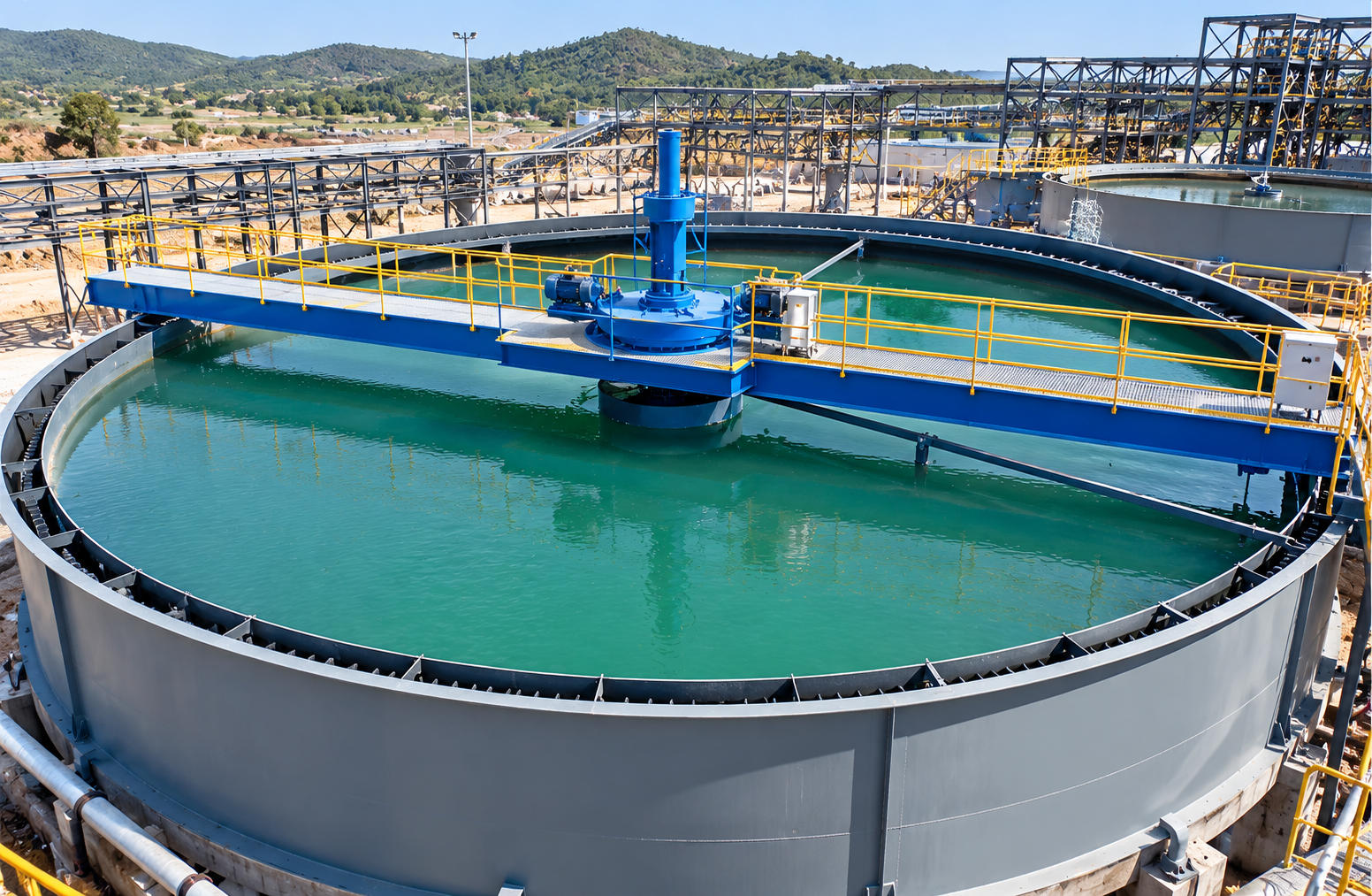
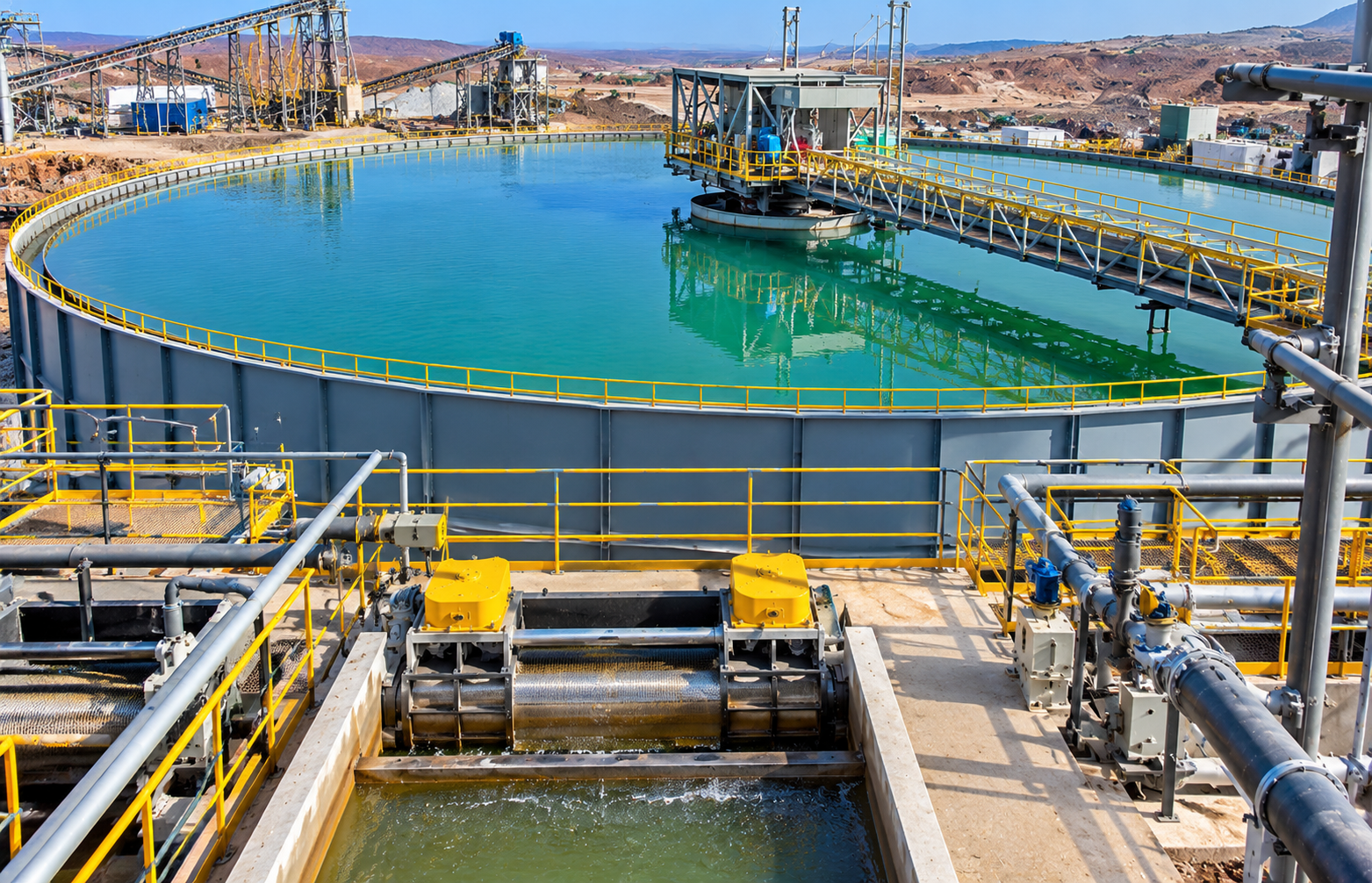
The flotation concentrate first enters a thickener, where excess process water is removed and the solids concentration is increased.
Stage 2 – Pressure Filtration
The thickened concentrate is then transferred to a filter press for further solid-liquid separation.
After filtration, the final concentrate filter cake contains approximately 20% moisture, making it more suitable for handling, storage, transportation, and subsequent processing.
Recovered process water is returned to the production circuit wherever practical, helping reduce freshwater demand.
Existing Plant Leaching System Upgrade
In addition to the newly constructed beneficiation plant, Haoyang Mining designed a new slurry preparation system integrated with the existing leaching facilities.
This approach allows usable sections of the original plant to remain in operation while introducing upgraded equipment and a more efficient process configuration.
Slurry Preparation
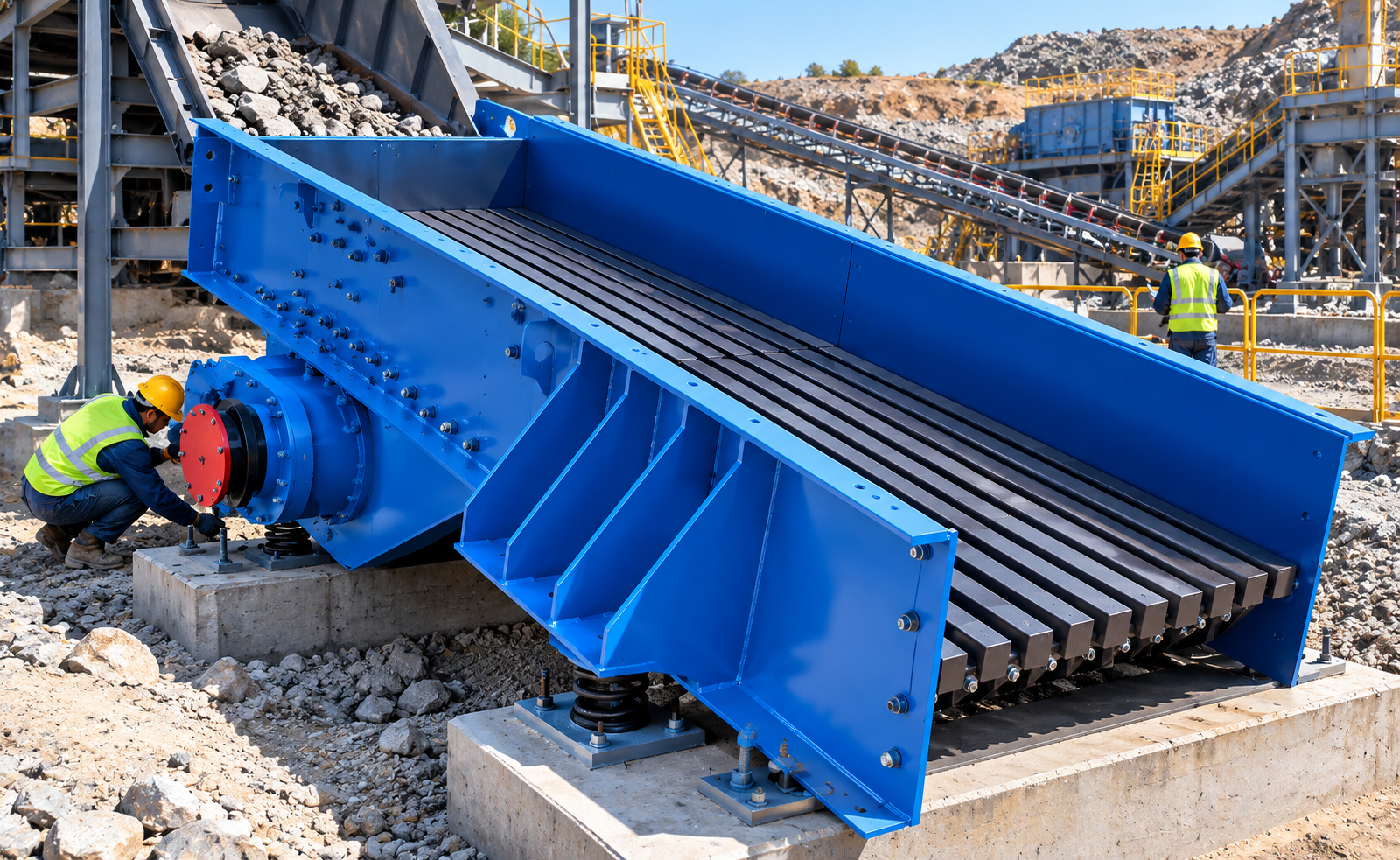
Feed material is transferred into the slurry preparation system using a grab bucket.
Water is added in a high-concentration agitation tank, where the material is thoroughly mixed to form a uniform slurry suitable for subsequent grinding and classification.
The prepared slurry is then introduced into the existing grinding circuit.
By controlling slurry concentration and mixing conditions before grinding, the system provides a more stable feed for downstream processing.
Grinding, Classification & Thickening
Following slurry preparation, the material passes through the existing grinding and classification circuit.
A hydrocyclone system separates coarse and fine particles:
Hydrocyclone Underflow → Returned for further grinding
Hydrocyclone Overflow → Sent to thickening
The qualified overflow enters a thickener, where the slurry concentration is adjusted to meet the requirements of the downstream silver leaching process.
Long-Retention-Time Leaching
After thickening, the concentrated slurry is transferred to the existing leaching system.
The material undergoes a controlled leaching process with a retention time of more than 60 hours, providing sufficient contact time for the targeted silver-bearing components to enter solution under the designed operating conditions.
Careful control of slurry concentration, reagent addition, agitation, and residence time helps maintain stable leaching performance.
Five-Stage Counter-Current Washing
After leaching, the slurry passes through a five-stage washing circuit.
The purpose of this section is to maximize recovery of dissolved precious metals from the leached slurry while reducing valuable solution losses to the final tailings.
Through multiple washing stages, the pregnant solution is progressively separated from the solids and collected for downstream silver recovery.
The washed tailings are subsequently transferred to the tailings handling system.
Zinc Powder Precipitation & Precious Metal Recovery
The collected pregnant solution is sent to the zinc powder precipitation system.
Under controlled process conditions, zinc powder is introduced to precipitate dissolved precious metals from the solution.
The resulting precious-metal-bearing precipitate is separated and collected before being transferred to the smelting section.
This process provides an established route for recovering silver and associated precious metals from clarified pregnant solution.
Smelting & Final Product
The recovered precipitate is dried and prepared for smelting.
Through controlled high-temperature smelting, impurities are separated and the precious-metal-bearing material is converted into the final metal product for subsequent refining or sale.
This completes the silver recovery route:
Leaching → Washing → Pregnant Solution → Zinc Powder Precipitation → Smelting → Final Precious Metal Product
Tailings Management & Process Water Recycling
Tailings generated during beneficiation and hydrometallurgical treatment are transferred to the existing tailings storage facility for controlled disposal.
Where process conditions permit, recovered water from thickening, filtration, and other solid-liquid separation stages is returned to the processing plant.
The water recycling system helps:
Reduce freshwater consumption • Lower wastewater discharge • Improve water utilization • Support more sustainable plant operation
Complete Process Flowsheet
New Beneficiation Plant
Ore Feeding → Crushing → Screening → Fine Ore Storage → Two-Stage Grinding & Classification → Jig Gravity Separation → Shaking Table Concentration → Flotation Roughing → Three-Stage Scavenging → Two-Stage Cleaning → Concentrate Thickening → Filter Press → Silver Concentrate
Existing Plant Leaching Upgrade
Ore Feeding → Slurry Preparation → Grinding & Classification → Thickening → Leaching (>60 h) → Five-Stage Washing → Pregnant Solution → Zinc Powder Precipitation → Precious Metal Precipitate → Smelting → Final Product
Tailings & Water Circuit
Process Tailings → Tailings Treatment → Tailings Storage Facility
Recovered Process Water → Return Water System → Recycled to Processing Plant
Project Highlights
300 t/d processing capacity | Existing plant modernization + new plant construction | Two-stage closed-circuit grinding | Early gravity recovery with jig and shaking table | 1 roughing + 3 scavenging + 2 cleaning flotation circuit | Two-stage concentrate dewatering | More than 60 hours of leaching | Five-stage washing | Zinc powder precipitation for precious metal recovery | Process water recycling
This integrated solution enables the mine to make use of existing infrastructure while upgrading the key processing sections, improving equipment reliability, stabilizing plant throughput, and creating a more systematic route for silver recovery from both physical beneficiation and hydrometallurgical processing.
Need a similar solution?
Tell us your ore, capacity, and budget — our engineers will prepare a tailored proposal within 48 hours.