Zimbabwe 700 t/d Gold Processing Plant Project
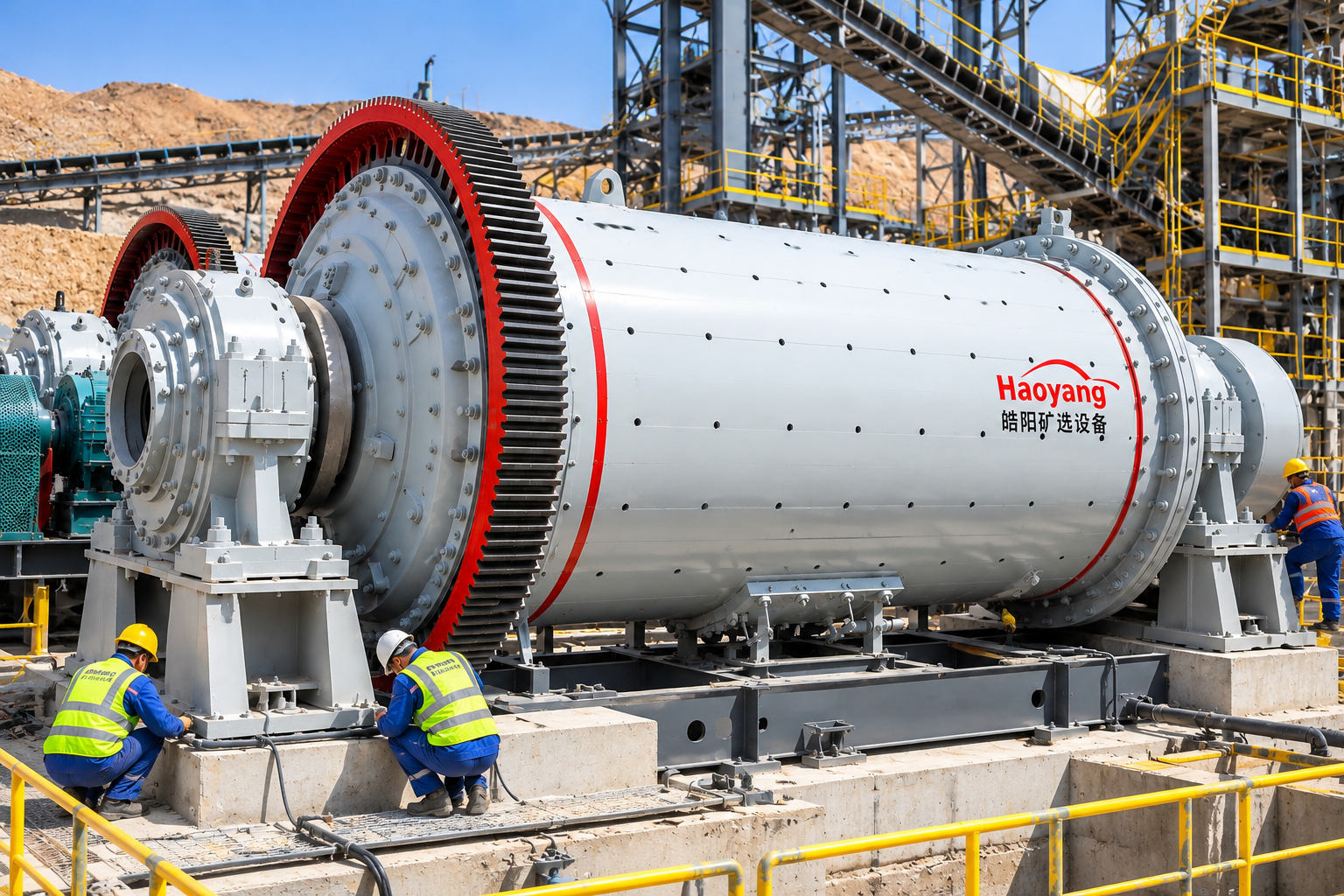
Project Overview
The Zimbabwe 700 t/d Gold Processing Plant Project is designed for the treatment of relatively high-grade gold ore, with the run-of-mine feed containing approximately 6 g/t Au.
Based on the characteristics of the ore and the client's production requirements, Haoyang Mining developed an integrated gold recovery solution combining closed-circuit grinding and classification, gravity concentration, cyanide leaching, desorption and electrowinning, gold smelting, and tailings dewatering.
A key feature of the process is the incorporation of gravity separation directly into the grinding and classification circuit. This allows liberated coarse gold particles to be recovered as early as possible instead of remaining in circulation or entering the downstream cyanide leaching system.
The overall plant was designed with particular attention to gold recovery efficiency, stable continuous operation, equipment layout, process integration, operational safety, environmental management, and ease of maintenance.
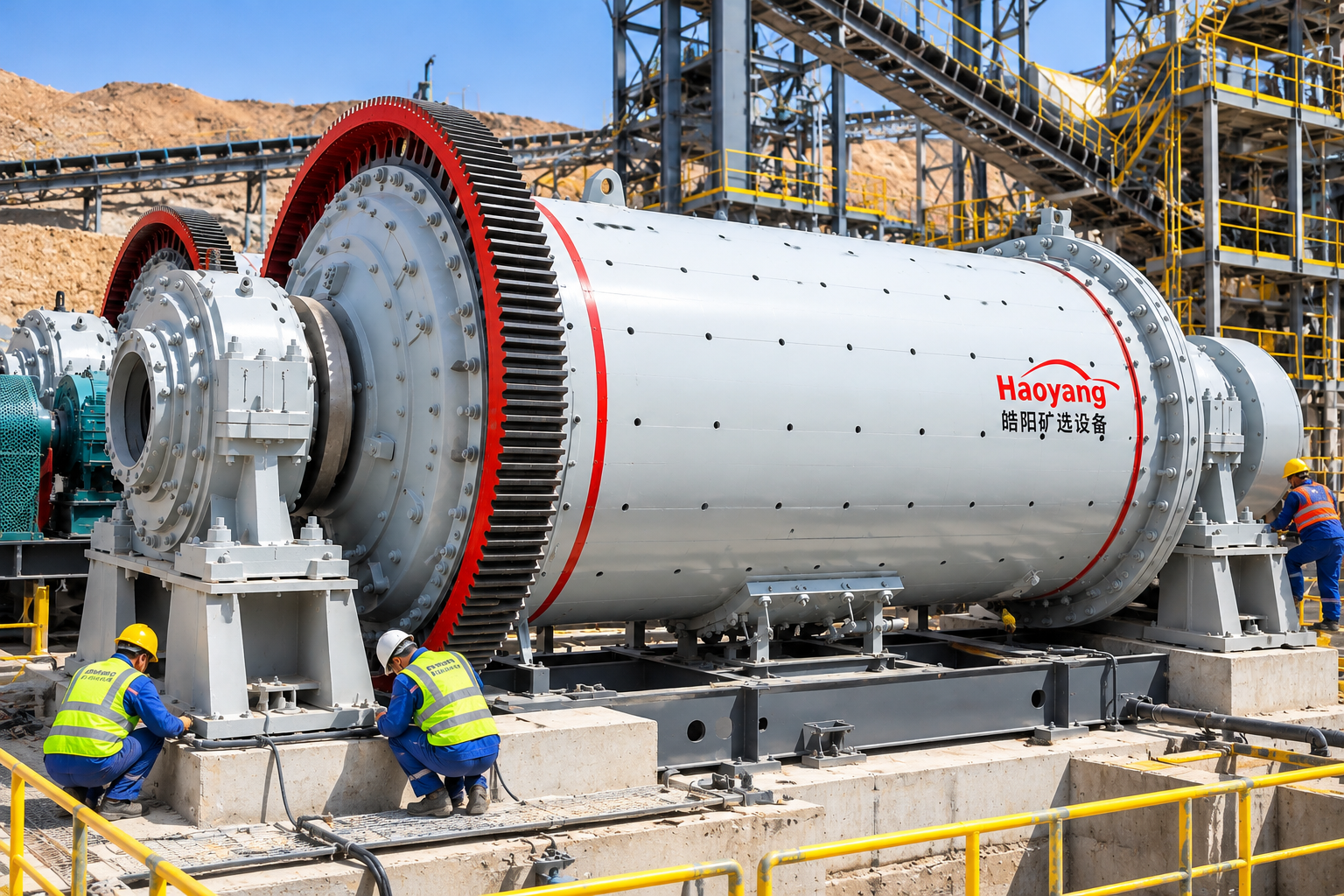
Project Information
Item | Project Details |
Project Location | Zimbabwe |
Ore Type | Gold Ore |
Gold Grade | Approx. 6 g/t Au |
Processing Capacity | 700 t/d |
Grinding | One-Stage Grinding |
Classification | Two-Stage Classification |
Grinding Circuit | Fully Closed-Circuit |
Pre-Recovery | Gravity Separation |
Main Gold Recovery | Cyanide Leaching |
Gold Extraction | Desorption & Electrowinning |
Final Treatment | Gold Smelting |
Tailings Treatment | Dewatering |
Haoyang Process Solution
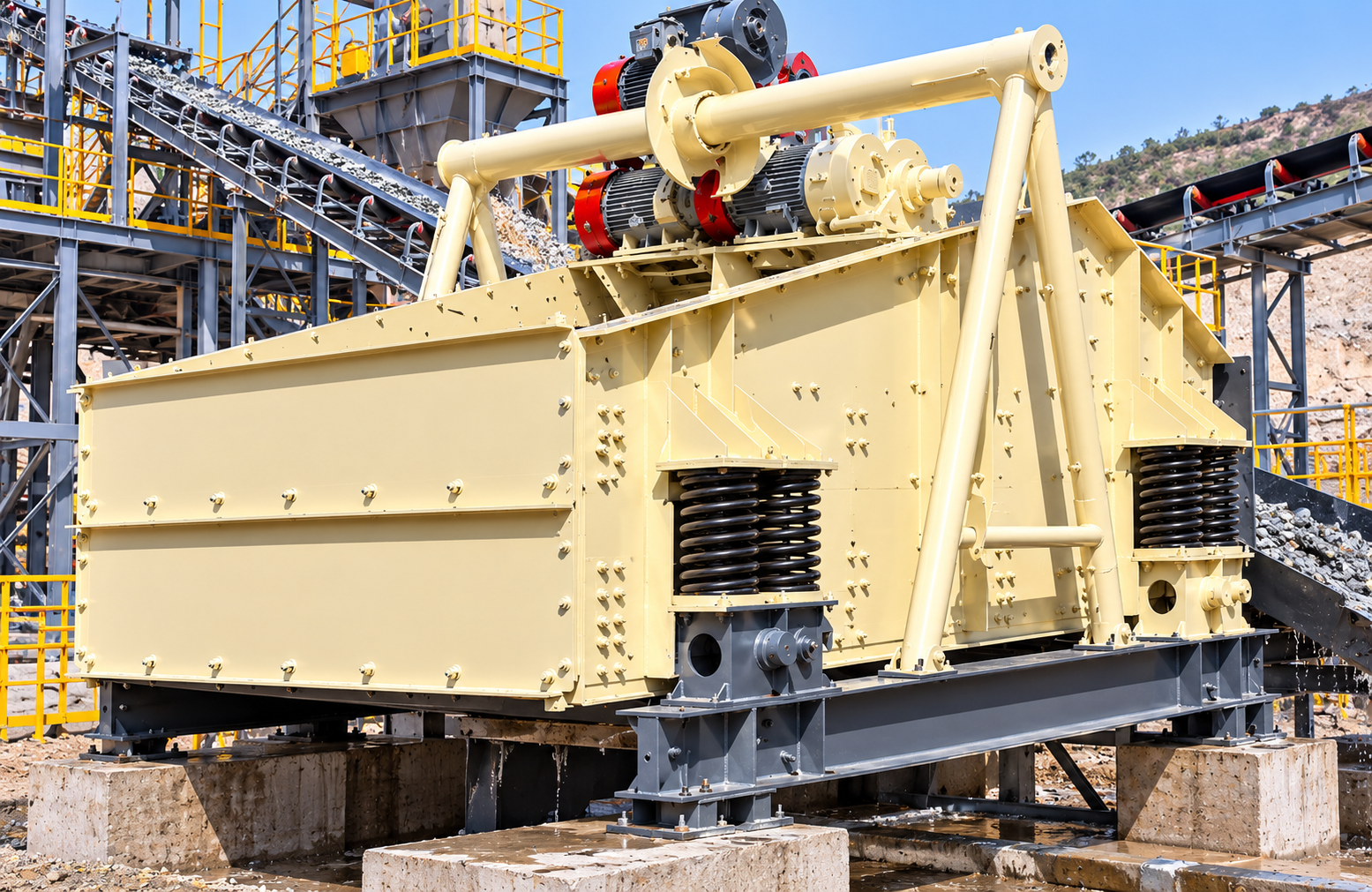
Overall Gold Processing Flowsheet
According to the ore characteristics, Haoyang developed a combined gravity concentration + cyanide leaching process.
The main processing route is:
Ore Feeding → Grinding → Two-Stage Classification → Gravity Separation → Cyanide Leaching → Gold Adsorption → Desorption & Electrowinning → Smelting → Tailings Dewatering
Instead of relying on a single gold recovery method, the process uses different separation technologies according to the occurrence and particle size of the gold.
Gravity separation targets suitable liberated coarse and high-density gold particles, while cyanide leaching is used to recover additional gold from the finely ground material.
This complementary process configuration is designed to improve overall gold utilization and reduce avoidable losses.
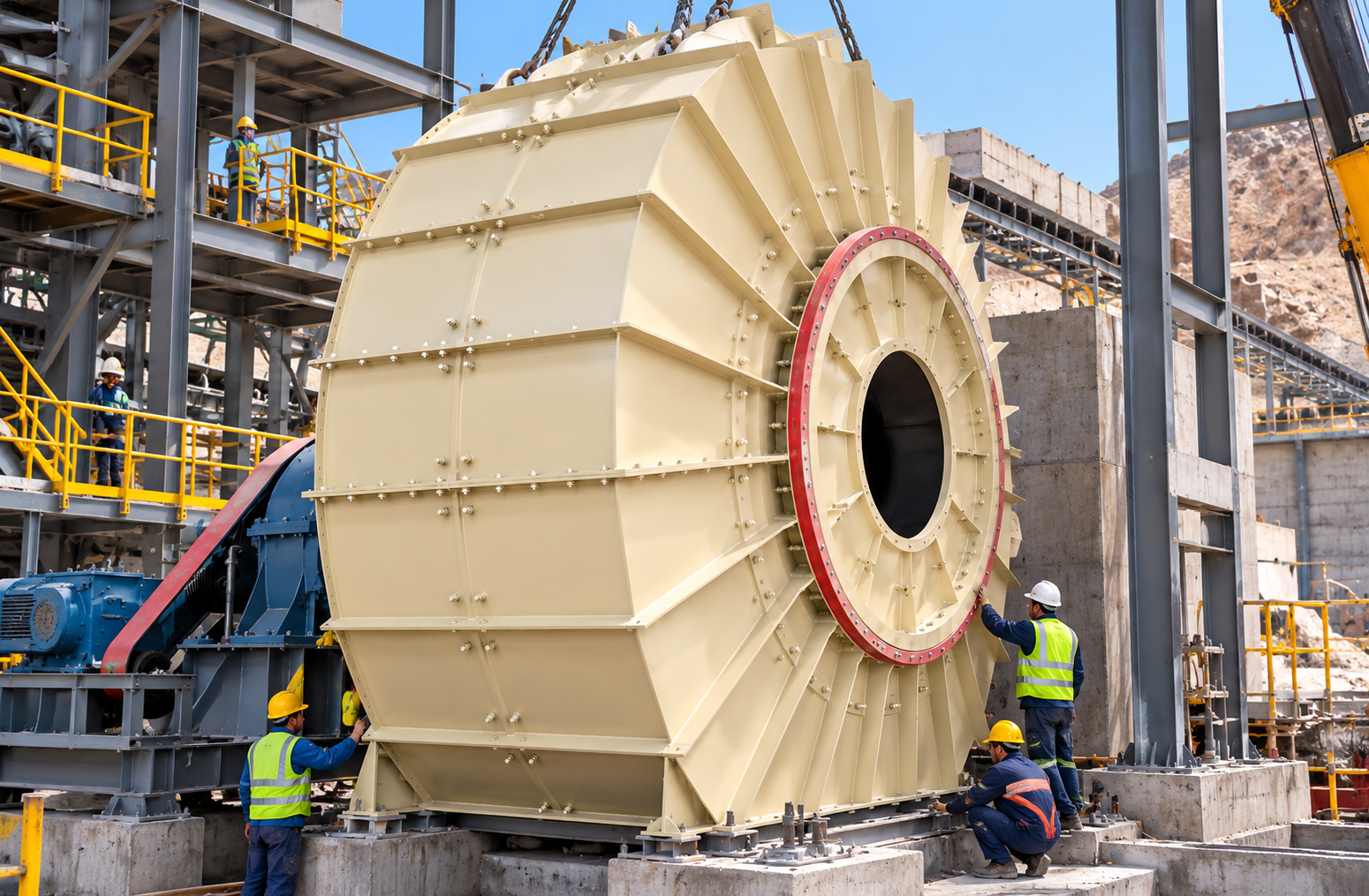
One-Stage Grinding System
The ore first enters the grinding section, where the particle size is reduced to achieve sufficient liberation of gold-bearing minerals.
The project adopts a one-stage grinding configuration integrated with two-stage classification.
Grinding is a critical stage in the plant because insufficient grinding may leave valuable gold locked within gangue minerals, while excessive grinding can increase energy consumption and may negatively affect downstream recovery.
For this reason, the grinding circuit is designed to maintain a controlled product particle size while providing suitable feed conditions for both gravity recovery and cyanide leaching.
Two-Stage Classification & Fully Closed-Circuit Grinding
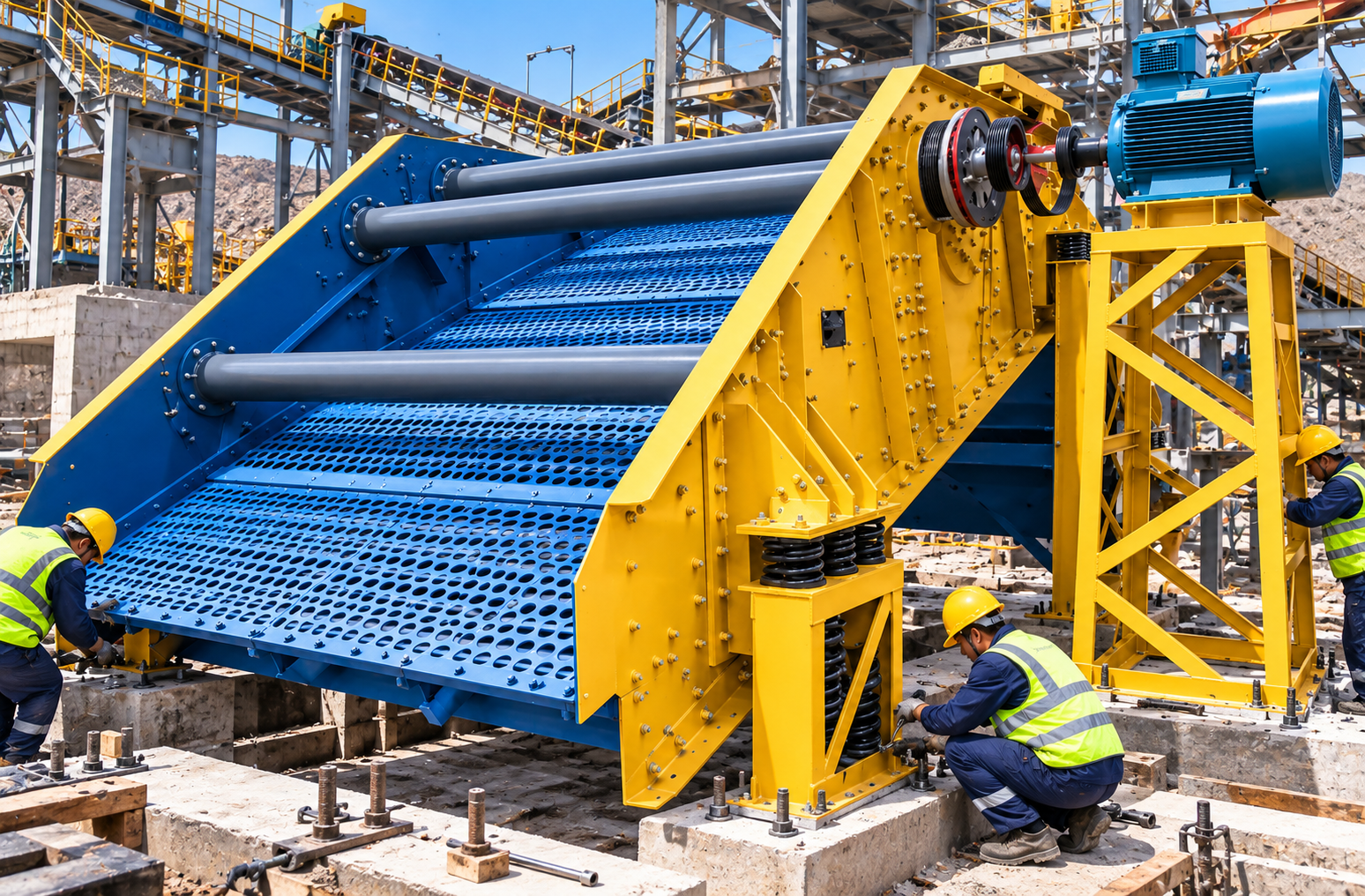
A two-stage classification system is incorporated into the grinding circuit to improve control over the particle-size distribution.
Material that has not reached the required fineness is returned to the grinding circuit, while qualified material proceeds to the subsequent beneficiation stages.
The operating principle can be summarized as:
Grinding → Classification → Qualified Material to Beneficiation
and:
Oversized / Coarse Material → Returned for Regrinding
This fully closed-circuit arrangement helps maintain a more consistent grinding product and reduces the amount of inadequately liberated material entering downstream recovery processes.
Stable classification also contributes to more consistent operating conditions throughout the plant.
Gravity Recovery Inside the Grinding Circuit
One of the most important design features of the Zimbabwe project is the installation of a gravity recovery system within the grinding and classification circuit.
Gold has a much higher specific gravity than most common gangue minerals. Once coarse gold particles become liberated during grinding, they can be suitable for gravity concentration.
Instead of allowing these particles to continue circulating through the grinding circuit or pass directly into cyanidation, the process removes suitable gravity-recoverable gold at an early stage.
The process concept is:
Grinding & Liberation
↓Classification
↓Gravity Separation
↓Early Recovery of Coarse Gold
The remaining material then continues to the cyanide leaching circuit for further gold recovery.
Early Recovery of Coarse & Particulate Gold
Recovering coarse gold early provides an important process advantage.
Coarse liberated gold particles may behave differently from fine gold during grinding and hydrometallurgical treatment. If they remain in the grinding circuit for too long, they can accumulate within the circulating load or be subjected to unnecessary overgrinding.
By introducing gravity concentration at an appropriate point in the circuit, the plant can recover part of the valuable gold before cyanidation.
This strategy can help:
Recover Liberated Coarse Gold Earlier • Reduce Gold Circulating in the Grinding Circuit • Reduce Potential Coarse-Gold Losses • Complement Cyanide Leaching • Improve Overall Process Efficiency
The actual gravity recovery performance depends on the mineralogical characteristics and liberation behavior of the ore.
Cyanide Leaching
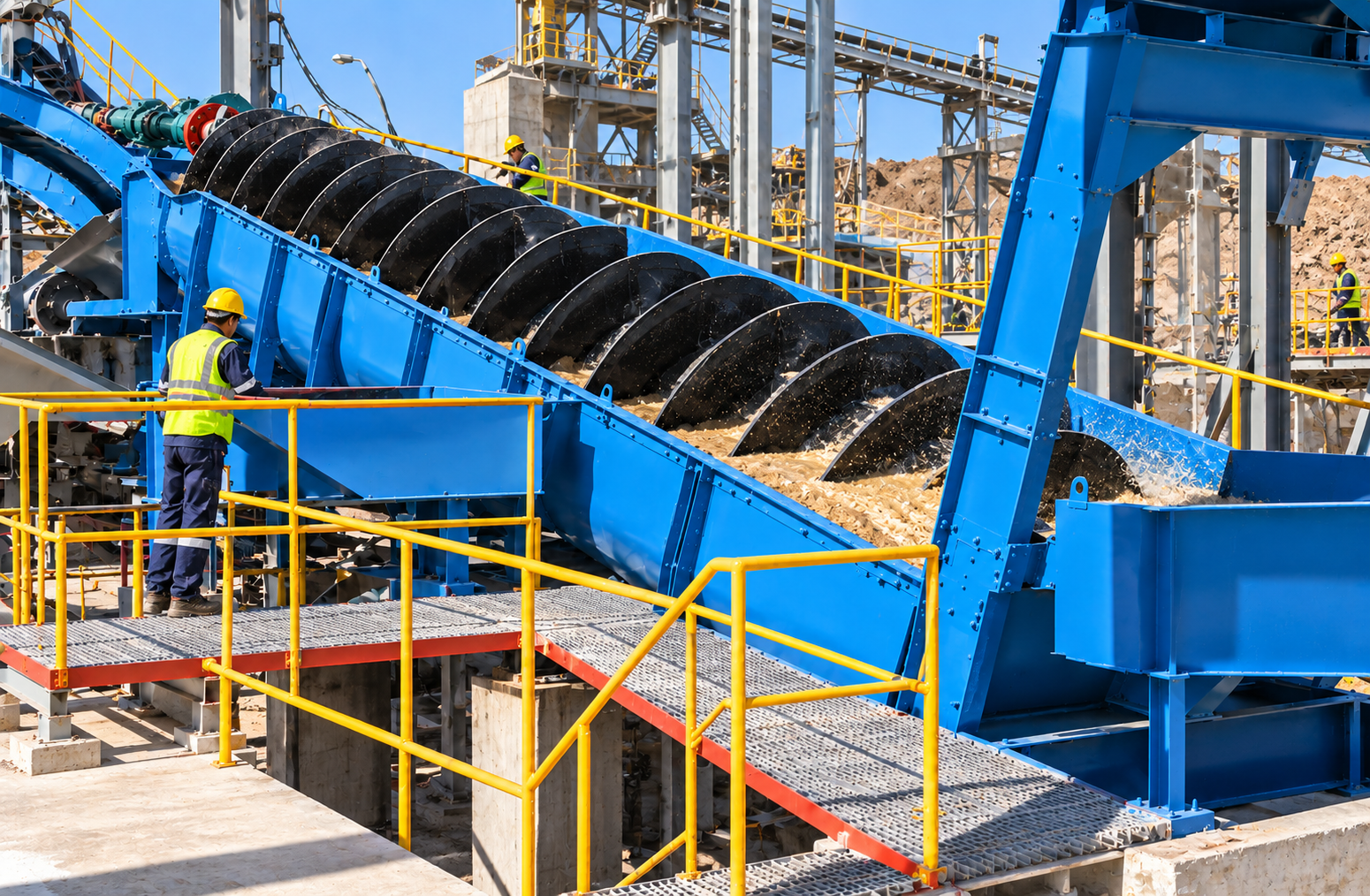
After gravity separation, the remaining gold-bearing material enters the cyanide leaching circuit.
Under controlled alkaline conditions, cyanide reacts with recoverable gold and transfers it into solution as a soluble gold-cyanide complex.
The leaching system is designed to provide suitable:
Slurry Density • Agitation • Aeration • Reagent Contact • Retention Time • pH Conditions
These parameters are controlled according to metallurgical test results and actual plant operating conditions.
Combining gravity recovery with cyanide leaching allows the plant to target both gravity-recoverable coarse gold and gold remaining in the finely ground ore.
Gold Adsorption & Loaded Carbon Recovery
After gold has been dissolved during cyanidation, the dissolved gold is recovered using an adsorption system.
Activated carbon captures the dissolved gold from the slurry or solution, producing gold-loaded carbon.
The basic route is:
Gold-Bearing Slurry → Cyanide Leaching → Gold Dissolution → Activated Carbon Adsorption → Gold-Loaded Carbon
The loaded carbon is separated from the process stream and transferred to the downstream gold recovery section.
This provides a continuous connection between the leaching circuit and the final gold recovery system.
Desorption & Electrowinning
The collected gold-loaded carbon is transferred to the desorption and electrowinning system.
During desorption, adsorbed gold is stripped from the activated carbon into a concentrated gold-bearing solution.
The solution subsequently enters the electrowinning system, where dissolved gold is recovered electrochemically.
The process can be summarized as:
Gold-Loaded Carbon → Desorption → Gold-Rich Solution → Electrowinning → Gold-Bearing Sludge
Where applicable, stripped carbon can be regenerated and returned to the adsorption circuit for reuse.
This helps establish a continuous carbon circulation system within the gold recovery plant.
Gold Smelting
Gold-bearing material recovered from the electrowinning section is collected and prepared for smelting.
The gold-bearing sludge is treated in a melting furnace to produce a gold-rich final product for subsequent refining or sale.
The final recovery route is:
Electrowinning → Gold-Bearing Sludge → Smelting → Doré
This completes the main gold recovery circuit from raw ore through to the final metallurgical product.
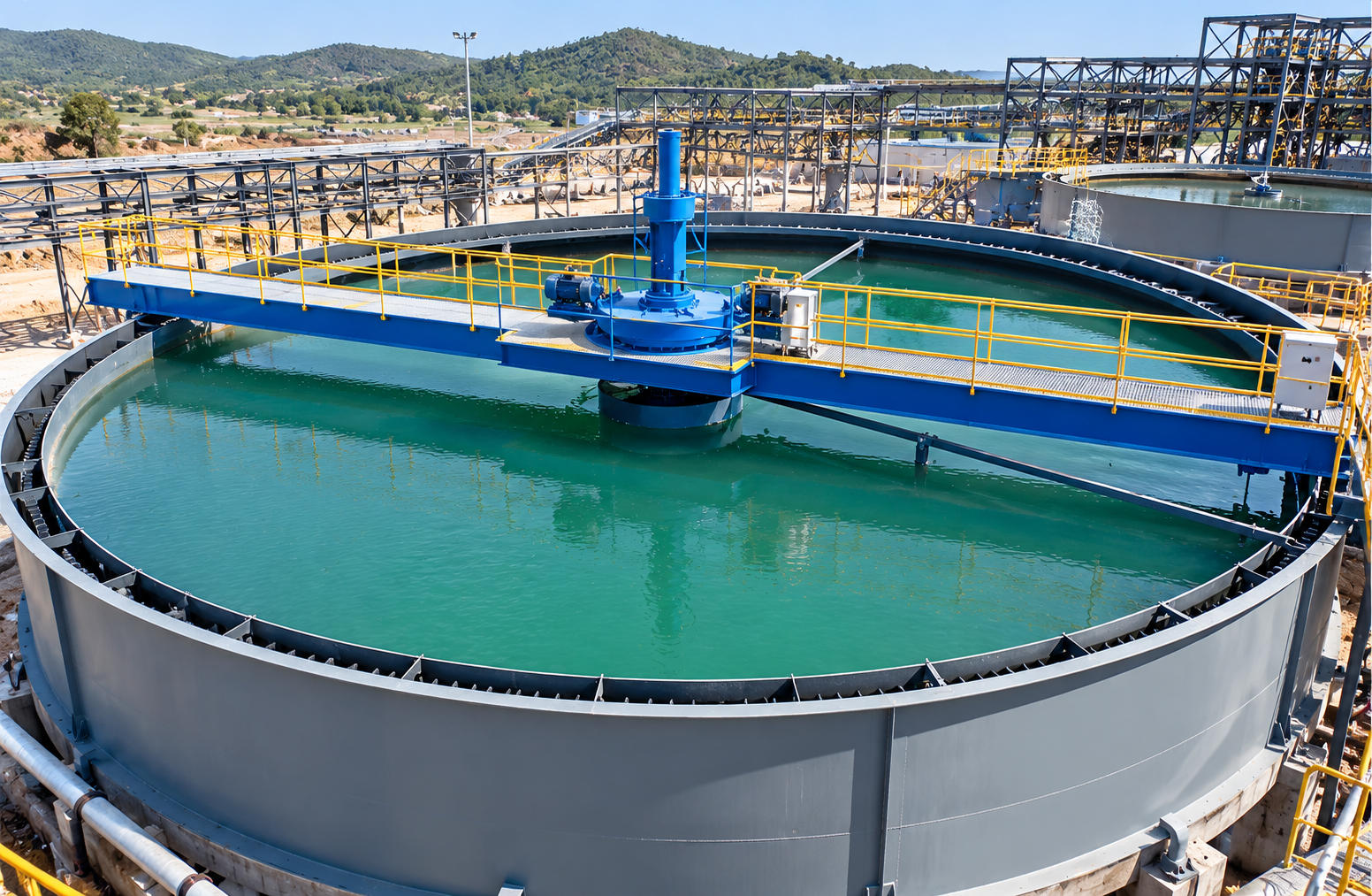
Tailings Dewatering
After gold recovery, the remaining process tailings are transferred to the tailings dewatering system.
The objective is to reduce the amount of free water contained in the final tailings and improve subsequent handling and storage.
Depending on the final engineering configuration, the dewatering section can incorporate equipment such as:
Thickeners • Filter Presses • Slurry Pumps • Process Water Tanks
Recovered water can be returned to the process water system where technically appropriate.
This approach helps reduce freshwater demand and supports more efficient water management throughout the concentrator.
Main Equipment Configuration
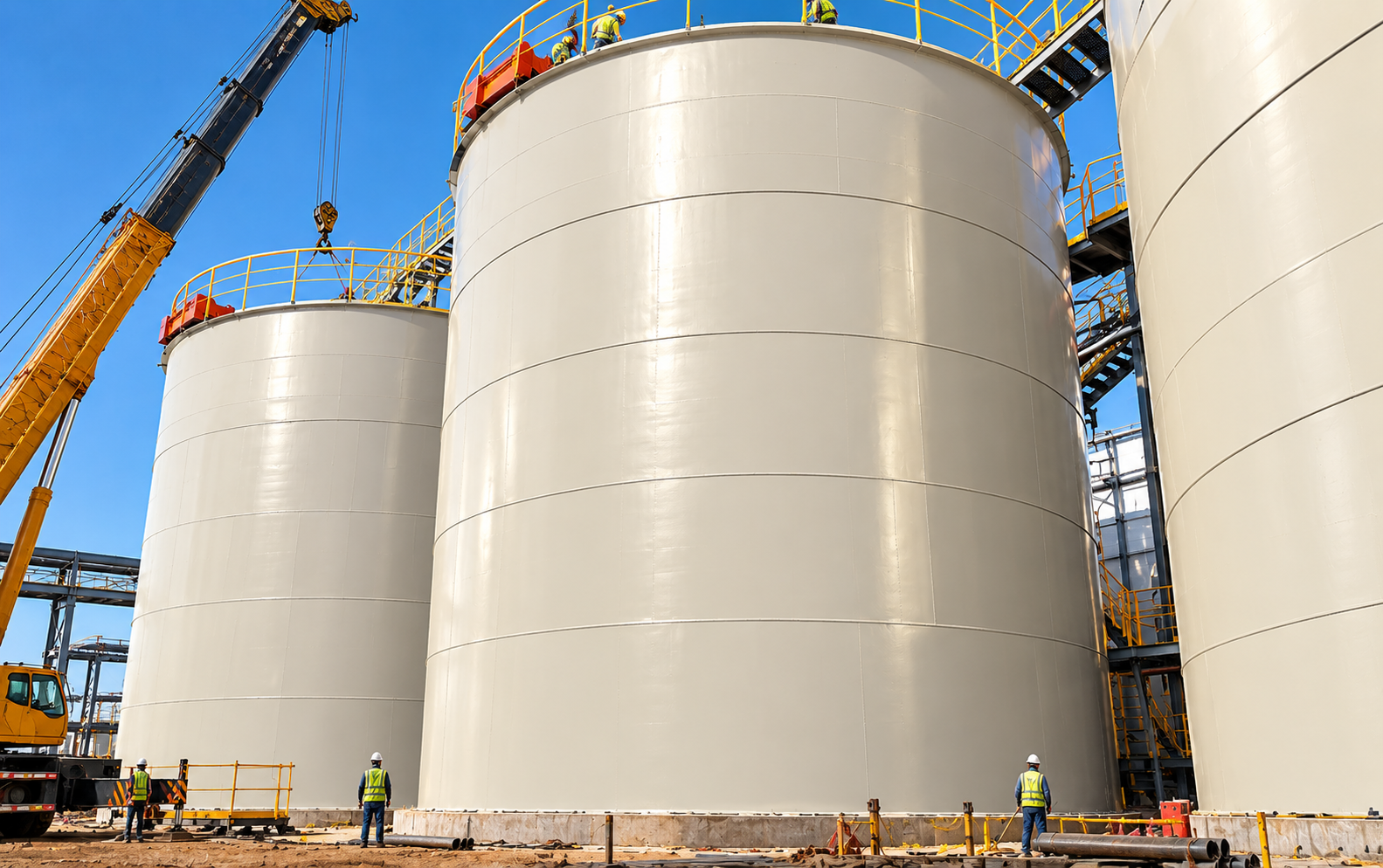
The Zimbabwe 700 t/d gold processing plant can incorporate the following major equipment according to the final engineering design:
Process Section | Main Equipment |
Ore Feeding | Feeder / Belt Conveyor |
Grinding | Ball Mill |
Classification | Classification Equipment / Hydrocyclone System |
Gravity Recovery | Gravity Concentration Equipment |
Leaching | Agitated Leaching Tanks |
Aeration | Air Supply System |
Gold Adsorption | Activated Carbon Adsorption System |
Carbon Handling | Carbon Screens & Carbon Transfer System |
Gold Recovery | Desorption & Electrowinning System |
Smelting | Gold Melting Furnace |
Tailings Treatment | Thickening / Dewatering Equipment |
Auxiliary System | Slurry Pumps, Tanks, Pipelines & Conveyors |
Project Highlights
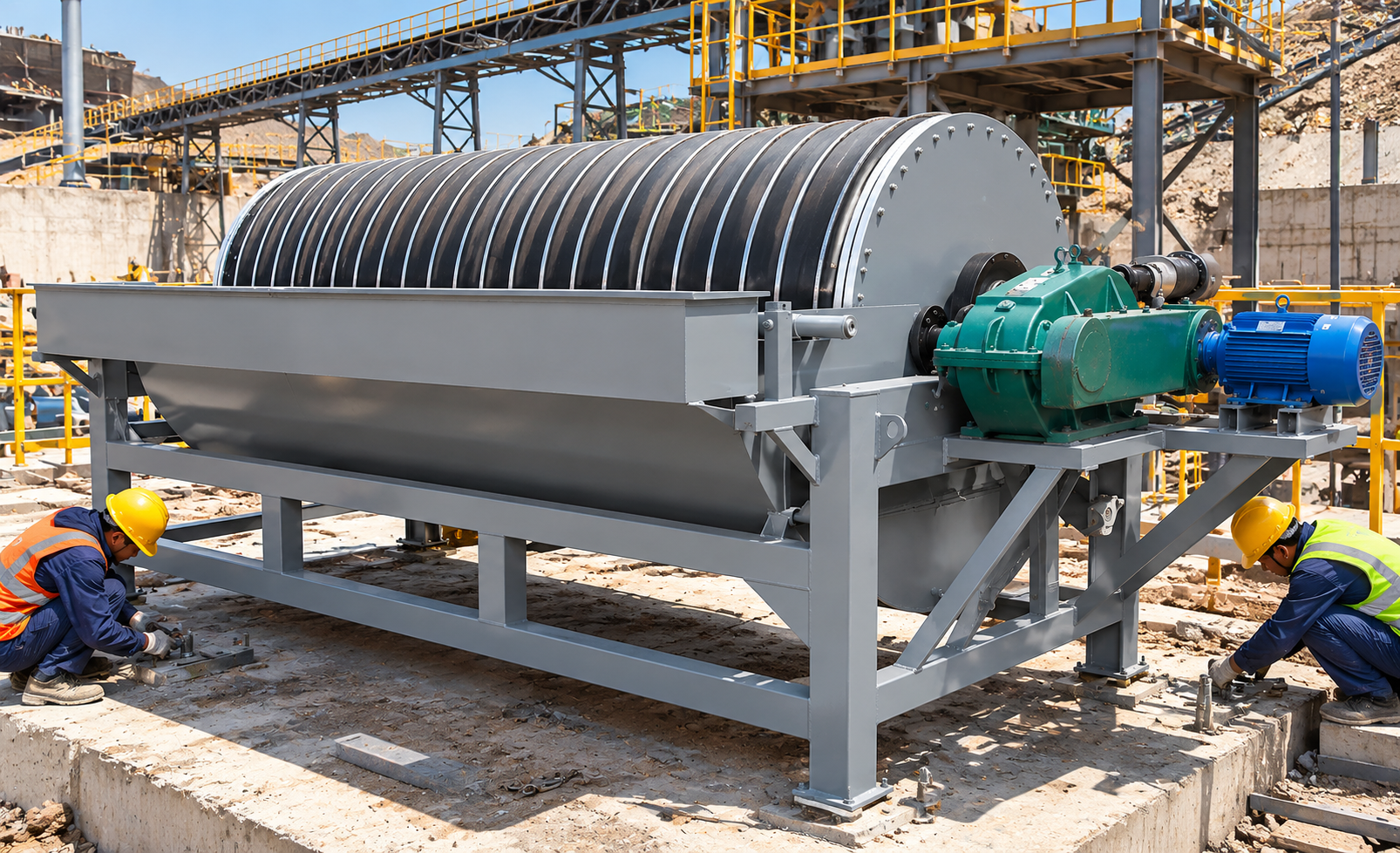
700 t/d Continuous Processing Capacity
The plant is designed for a nominal processing capacity of 700 tonnes per day, providing an integrated route from ore grinding through final gold recovery.
High-Grade Gold Feed
With an ore grade of approximately 6 g/t Au, efficient recovery of valuable gold is a major priority throughout the process design.
Gravity + Cyanidation Combined Process
Instead of relying solely on cyanide leaching, gravity concentration is incorporated ahead of the main leaching recovery stage to target suitable coarse liberated gold.
Early Coarse Gold Recovery
Gravity recovery within the grinding circuit allows valuable coarse gold particles to be separated as soon as they become sufficiently liberated.
Closed-Circuit Particle Size Control
The combination of grinding and two-stage classification helps maintain a stable product size and provides suitable feed conditions for downstream beneficiation.
Complete Gold Recovery Route
The project integrates:
Grinding → Classification → Gravity Recovery → Cyanidation → Carbon Adsorption → Desorption → Electrowinning → Smelting
into one coordinated processing system.
Tailings & Water Management
The downstream tailings treatment system is designed to reduce moisture in the final tailings and facilitate the recovery and reuse of process water where applicable.
Engineering & Project Execution
For a complete gold processing project, successful operation depends not only on the individual machines but also on how the entire plant is integrated.
During the implementation of the Zimbabwe project, Haoyang focused on overall plant planning, equipment arrangement, material and slurry flow, construction coordination, operational safety, environmental considerations, and maintenance accessibility.
The plant layout was developed to provide practical connections between the grinding, gravity separation, leaching, gold recovery, and tailings treatment sections.
Project implementation was also coordinated according to the construction schedule to ensure that equipment delivery, civil works, installation, commissioning, and production preparation could proceed efficiently.
Haoyang Integrated Gold Processing Solution
The Zimbabwe 700 t/d Gold Processing Plant Project demonstrates an integrated approach to treating relatively high-grade gold ore containing gravity-recoverable gold.
By combining closed-circuit grinding, two-stage classification, early gravity recovery, cyanide leaching, carbon adsorption, desorption-electrowinning, smelting, and tailings treatment, the process is designed to recover gold through complementary physical and hydrometallurgical methods.
For different gold deposits, Haoyang can develop customized solutions based on:
Ore Grade • Mineral Composition • Gold Particle Size • Gold Occurrence • Liberation Characteristics • Processing Capacity • Site Conditions • Water Availability • Final Product Requirements
From metallurgical testwork and process design to equipment selection, manufacturing, installation guidance, and commissioning support, Haoyang provides integrated solutions for gold processing projects.
Contact Haoyang for gold ore testwork, process design, equipment selection, plant configuration, and project quotation.
Need a similar solution?
Tell us your ore, capacity, and budget — our engineers will prepare a tailored proposal within 48 hours.